
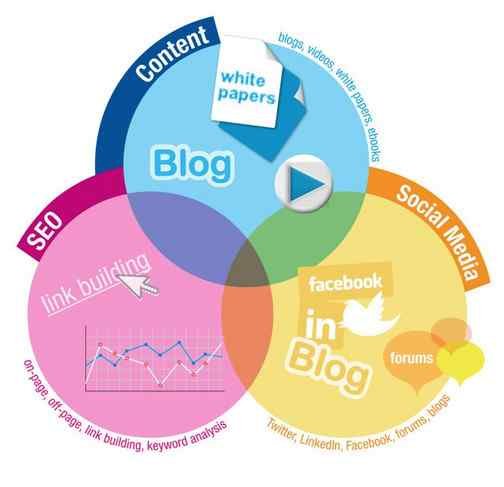
Content marketing has evolved from a simple blogging strategy into one of the most powerful digital growth engines available to businesses today. When done correctly, it doesn’t just attract readers — it builds authority, earns backlinks, strengthens your brand identity, and transforms your website into a lead-generating asset. Whether you’re a local service business or a global brand, understanding how content marketing connects these four pillars is the key to sustainable online success.
What Is Content Marketing and Why Does It Matter in 2026?
Content marketing is the practice of creating and distributing valuable, relevant, and consistent content to attract and retain a clearly defined audience — ultimately driving profitable customer action. Unlike paid advertising, which stops the moment you stop spending, content marketing compounds over time. A well-written article published today can generate organic traffic, leads, and brand awareness for years.
According to HubSpot, businesses that blog consistently generate 67% more leads per month than those that don’t. But content marketing extends far beyond blog posts. It includes videos, infographics, case studies, podcasts, email newsletters, landing pages, and social media content — all working together as part of a cohesive strategy.
The businesses winning in search today are those that answer real questions, solve real problems, and demonstrate genuine expertise. That’s exactly what content marketing enables you to do.
How Content Marketing Directly Impacts SEO Rankings
Does Content Marketing Improve Search Engine Optimization?
Yes — and the relationship between content marketing and SEO is deeply intertwined. Search engines like Google use hundreds of ranking signals, but content remains one of the most influential. High-quality, original content signals to Google that your website is authoritative, relevant, and worth showing to searchers.
Content marketing improves SEO in several specific ways:
-
Keyword targeting at scale — Each piece of content you publish is an opportunity to rank for a different keyword or search query, expanding your site’s visibility across hundreds of relevant terms
-
Topical authority — Publishing comprehensive content across a subject cluster signals to Google that your site is an expert source, boosting rankings across all related pages
-
Dwell time and engagement — Useful, well-structured content keeps visitors on your page longer, reducing bounce rates and sending positive behavioral signals to search algorithms
-
Crawlability and indexing — A content-rich website gives search engine bots more pages to crawl and index, increasing your overall search footprint
-
Featured snippets and AI Overviews — Structured, question-answering content is more likely to be selected for Google’s AI-generated search summaries and answer boxes
For local businesses especially, content marketing is the engine that drives local SEO performance. City-specific service pages, FAQ content, and locally relevant blog posts help you rank for high-intent searches like “best HVAC company in Salem NH” or “what size air conditioner do I need for my home.”
Long-Tail Keywords and Answer Engine Optimization (AEO)
The rise of AI-powered search has made Answer Engine Optimization (AEO) a critical consideration in content strategy. AI assistants and tools like Google’s AI Overview, ChatGPT, and Perplexity pull answers from well-structured, authoritative web content. To appear in these AI-generated answers, your content must be clear, factual, and formatted in a way that directly addresses specific questions.
Using long-tail keywords, conversational phrasing, and structured FAQ sections within your content dramatically increases the likelihood that AI search engines will surface your content as a trusted answer source.
The Relationship Between Content Marketing and Backlink Acquisition
How Does Content Marketing Generate Backlinks Naturally?
Backlinks — links from other websites pointing to yours — remain one of Google’s strongest ranking signals. The challenge is earning them. Cold outreach and link-buying are risky and increasingly ineffective. Content marketing offers a far more sustainable path: create content so valuable that other websites want to reference and link to it.
This is often called “linkable asset” creation. Examples of high-performing linkable content include:
-
Original research and data studies — Statistics and findings that other writers cite in their own articles
-
Ultimate guides and how-to resources — Comprehensive reference pages that become go-to industry resources
-
Infographics and visual data — Shareable visual content that bloggers and journalists embed on their own sites
-
Expert roundups and interviews — Content that features industry experts who then share and link to the piece
-
Tools, calculators, and templates — Free resources that attract links because they provide ongoing value
When your content earns backlinks, those links pass “link equity” or “PageRank” to your site, boosting your domain authority and improving rankings across all your pages — not just the page being linked to. This compounding effect is one of the most powerful long-term benefits of a consistent content marketing strategy.
Building a Link-Worthy Content Strategy
To attract backlinks consistently, your content strategy should prioritize depth over frequency. A single 3,000-word, research-backed pillar article will earn far more backlinks than ten thin 300-word posts. Focus on creating the definitive resource on topics your audience cares about, and promote that content through outreach, social sharing, and industry communities to maximize its reach.
How Content Marketing Builds and Strengthens Your Brand
What Role Does Content Play in Brand Identity and Trust?
Every piece of content you publish is a direct expression of your brand. The tone of your writing, the topics you cover, the opinions you share, and the expertise you demonstrate all work together to shape how your audience perceives your business. Content marketing is one of the most cost-effective ways to build brand authority and trust over time.
For service-based businesses, trust is everything. A homeowner choosing between three HVAC companies will almost always gravitate toward the one that has demonstrated expertise through helpful, informative content. When your website answers their questions before they even pick up the phone, you’ve already started building a relationship.
Content marketing builds brand equity in several ways:
-
Thought leadership — Publishing insightful articles, opinion pieces, and educational guides positions your business as an industry expert
-
Consistency — A consistent publishing schedule and brand voice reinforces recognition and reliability
-
Emotional connection — Storytelling, customer success stories, and behind-the-scenes content humanize your brand and create authentic connections
-
Community building — Content that invites conversation and engagement fosters a loyal audience that advocates for your brand
In an era where consumers are increasingly skeptical of advertising, educational content that genuinely helps people is one of the few marketing formats that actually builds trust rather than eroding it.
The Impact of Content Marketing on Your Website’s Performance
How Content Marketing Transforms Your Website Into a Lead Generation Machine
Your website is the hub of your entire digital marketing ecosystem, and content marketing is what keeps it active, relevant, and visible. Without a steady stream of fresh, optimized content, even a beautifully designed website will stagnate in search rankings and fail to convert visitors into leads.
Content marketing improves website performance across multiple dimensions:
-
Organic traffic growth — Each new page of optimized content is a new entry point for search traffic, compounding your site’s visibility over time
-
Conversion rate optimization — Strategic content guides visitors through the buyer’s journey, from awareness to consideration to decision, using calls-to-action at each stage
-
Internal linking structure — A well-planned content strategy creates natural opportunities for internal links, distributing authority throughout your site and helping users navigate to high-value pages
-
Page authority distribution — Blog content earns backlinks that flow authority to service pages through internal links, improving rankings for your most important conversion pages
-
User experience signals — Engaging, well-organized content reduces bounce rates and increases session duration, improving your site’s overall performance signals
Content Silos and Website Architecture
One of the most overlooked aspects of content marketing is how it shapes website architecture. Organizing your content into topic clusters — or “content silos” — where a comprehensive pillar page links out to related supporting articles, and those articles link back, creates a tightly structured website that both users and search engines can navigate intuitively.
This architecture signals topical depth and authority to Google, making it more likely that multiple pages on your site will rank for related searches simultaneously. For a home services business, this might mean a pillar page on “HVAC Services” supported by articles on furnace maintenance, AC installation, indoor air quality, and energy efficiency tips — all interlinked and mutually reinforcing each other’s authority.
Building a Content Marketing Strategy That Delivers Results
Effective content marketing doesn’t happen by accident. It requires a clear strategy built around your audience’s needs, your business goals, and your competitive landscape. Start by identifying the questions your ideal customers ask at each stage of the buying journey. Map those questions to content formats, assign target keywords, and build a publishing calendar that ensures consistent output.
Measure performance using organic traffic, keyword rankings, backlink acquisition, and lead conversions — not just pageviews. Revisit and update older content regularly to keep it accurate and competitive. And always prioritize quality over quantity; one authoritative article outperforms ten mediocre ones every time.
Content marketing is not a short-term tactic — it’s a long-term investment in your brand, your website, and your business’s digital future. The businesses that commit to it consistently are the ones that dominate search, earn trust, and generate leads without relying entirely on paid advertising to survive.